Let us all celebrate three women authors as the latest recipients of the Pinckley Prizes in Crime Fiction. Those annual commendations are named in memory of Diana Pinckley (1952-2012), a longtime crime-fiction columnist for the New Orleans Times-Picayune newspaper, and are given out in association with the Women’s National Book Association of New Orleans.
Alafair Burke, author of the Samantha Kincaid and Ellie Hatcher crime series, and a six-time collaborator with Mary Higgins Clark on the Under Suspicion series, has won the 2023 Pinckley Prize for Distinguished Body of Work. Previous recipients of that accolade include C.S. Harris, Megan Abbott, Sara Paretsky, Louise Penny, Ellen Hart, and Laura Lippman.
Meanwhile, Margot Douaihy has been named winner of the 2023 Pinckley Prize for Debut Fiction for her “lyrical crime novel” Scorched Grace. And Sascha Rothchild is the winner of the 2022 Pinckley Prize for Debut Novel for her first book Blood Sugar.
You can read more about all of these honors here.
Tuesday, April 23, 2024


Monday, April 22, 2024
Screen Scene
• Just two months after news broke that the Victorian TV crime series Miss Scarlet and the Duke would be losing actor Stuart Martin, who personated London police detective William “Duke” Wellington during that show’s initial four seasons, we learn from In Reference to Murder that “Tom Durant Pritchard (The Crown) has joined the cast of the Masterpiece drama”—to be retitled Miss Scarlet—“playing Alexander Blake, a handsome former soldier and respected detective inspector who joins the force at Scotland Yard after Wellington’s departure. He’s not particularly shocked by a woman working as a private eye, so Eliza [Scarlet, played by Kate Phillips] takes this to mean she’ll be given more cases. But their relationship gets off to a rocky start since Blake has decided not to allow private detectives to aid in his investigations. As Blake and Miss Scarlet cross paths at various crime scenes across London, they can’t help but develop mutual respect for one another, and perhaps even an attraction.” The Killing Times reports that the production of fresh Miss Scarlet episodes “is currently underway in Belgrade, Serbia, and [the show] is set to return to Alibi [and Masterpiece] in 2025.”
• Meanwhile, a trailer has been released for Season 9 of Grantchester. The first of a half-dozen new episodes will be broadcast in the states under PBS-TV’s Masterpiece umbrella come Sunday, June 16. Times are changing in more ways than one as this tale continues. The year is now 1961, Reverend Will Davenport (Tom Brittany) is departing his post in the Cambridgeshire village of Grantchester—much to the consternation of his friend and colleague, Detective Inspector Geordie Keating (Robson Green)—and a new vicar is stepping in to replace him: Reverend Alphy Kotteram, portrayed by Rishi Nair (Hollyoaks). Nair will be the third Anglican vicar protagonist in this series from UK network ITV, following James Norton as the Reverend Sidney Chambers (Seasons 1-4) and Brittany (4-9).
• This comes as a bit of a surprise: CBS-TV has cancelled the crime drama CSI: Vegas. A revival of the original, 2000–2015 series CSI: Crime Scene Investigation, CSI: Vegas debuted in 2021, and in its first year found William Petersen and Jorja Fox reprising their roles from the popular previous series. Marg Helgenberger, who’d played forensics officer Catherine Willows in the first CSI, signed on to the cast of CSI: Vegas during its second season, joining Paula Newsome, Mandeep Dhillon, Matt Lauria, Ariana Guerra, Jay Lee and Lex Medlin.
• And timed nicely to what would have been this month’s 100th birthday for American composer-conductor Henry Mancini (had he not died back in 1994), Philadelphia journalist Shaun Brady pens a glowing tribute to one of Mancini’s best-remembered works, the “iconic” theme to the TV series Peter Gunn (1958-1961). “Peter Gunn instantly made Mancini a household name,” Brady recalls. “The soundtrack was awarded Album of the Year at the inaugural Grammy Awards, and the theme proved to be the first of many indelible Mancini melodies to come.” If you’d like to hear more versions of Mancini’s eminently whistle-able piece, see The Bunburyist’s collection here.
• Meanwhile, a trailer has been released for Season 9 of Grantchester. The first of a half-dozen new episodes will be broadcast in the states under PBS-TV’s Masterpiece umbrella come Sunday, June 16. Times are changing in more ways than one as this tale continues. The year is now 1961, Reverend Will Davenport (Tom Brittany) is departing his post in the Cambridgeshire village of Grantchester—much to the consternation of his friend and colleague, Detective Inspector Geordie Keating (Robson Green)—and a new vicar is stepping in to replace him: Reverend Alphy Kotteram, portrayed by Rishi Nair (Hollyoaks). Nair will be the third Anglican vicar protagonist in this series from UK network ITV, following James Norton as the Reverend Sidney Chambers (Seasons 1-4) and Brittany (4-9).
• This comes as a bit of a surprise: CBS-TV has cancelled the crime drama CSI: Vegas. A revival of the original, 2000–2015 series CSI: Crime Scene Investigation, CSI: Vegas debuted in 2021, and in its first year found William Petersen and Jorja Fox reprising their roles from the popular previous series. Marg Helgenberger, who’d played forensics officer Catherine Willows in the first CSI, signed on to the cast of CSI: Vegas during its second season, joining Paula Newsome, Mandeep Dhillon, Matt Lauria, Ariana Guerra, Jay Lee and Lex Medlin.
• And timed nicely to what would have been this month’s 100th birthday for American composer-conductor Henry Mancini (had he not died back in 1994), Philadelphia journalist Shaun Brady pens a glowing tribute to one of Mancini’s best-remembered works, the “iconic” theme to the TV series Peter Gunn (1958-1961). “Peter Gunn instantly made Mancini a household name,” Brady recalls. “The soundtrack was awarded Album of the Year at the inaugural Grammy Awards, and the theme proved to be the first of many indelible Mancini melodies to come.” If you’d like to hear more versions of Mancini’s eminently whistle-able piece, see The Bunburyist’s collection here.
Saturday, April 20, 2024
Who Has the Edge in Daggers Contest?

The British Crime Writers’ Association has released 10 categories of longlisted nominees for the 2024 Dagger Awards. The CWA Dagger shortlists are scheduled to be announced on Friday, May 10, during this year’s CrimeFest, hosted in Bristol, England.
Gold Dagger:
• Over My Dead Body, by Maz Evans (Headline)
• Dead Man’s Creek, by Chris Hammer (Wildfire)
• A Bitter Remedy, by Alis Hawkins (Canelo)
• Night Will Find You, by Julia Haeberlin (Michael Joseph)
• The Secret Hours, by Mick Herron (Baskerville)
• The White Lie, by J.G. Kelly (Hodder & Stoughton)
• Death of a Lesser God, by Vaseem Khan (Hodder & Stoughton)
• Small Mercies, by Dennis Lehane (Abacus)
• Tell Me What I Am, by Una Mannion (Faber and Faber)
• Homecoming, by Kate Morton (Mantle)
• Black River, by Nilanjana Roy (Pushkin Vertigo)
• Vera Wong’s Unsolicited Advice for Murderers, by Jesse Sutanto (HQ)
Ian Fleming Steel Dagger:
• Simply Lies, by David Baldacci (Macmillan)
• The Lie Maker, by Linwood Barclay (HQ)
• All the Sinners Bleed, by S.A. Cosby (Headline)
• Ozark Dogs, by Eli Cranor (Headline)
• The House Hunt, by C.M. Ewan (Macmillan)
• Everybody Knows, by Jordan Harper (Faber and Faber)
• The Mantis, by Kotaro Isaka (Harvill Secker)
• Gaslight, by Femi Kayode (Raven)
• 77 North, by D.L. Marshall (Canelo)
 • Drowning, by T.J. Newman (Simon & Schuster)
• After That Night, by Karin Slaughter (HarperCollins)
• The Man in the Corduroy Suit, by James Wolff (Bitter Lemon Press)
ILP John Creasey (New Blood) Dagger:
• A Most Unusual Demise, by Kathryn Black (Bloodhound)
• In the Blink of an Eye, by Jo Callaghan (Simon & Schuster UK)
• The Golden Gate, by Amy Chua (Corvus)
• Scorched Grace, by Margot Douaihy (Pushkin Vertigo)
• Murder by Natural Causes, by Helen Erichsen (Muswell Press)
• The Maiden, by Kate Foster (Mantle)
• The Golden Spoon, by Jessa Maxwell (Penguin)
• West Heart Kill, by Dann McDorman (Raven)
• Obsessed, by Liza North (Constable)
• Go Seek, by Michelle Teahan (Headline)
• The Other Half, by Charlotte Vassell (Faber and Faber)
• The Tumbling Girl, by Bridget Walsh (Gallic)
Historical Dagger:
• Clara & Olivia, by Lucy Ashe (Magpie)
• The Lock-Up, by John Banville (Faber and Faber)
• Flags on the Bayou, by James Lee Burke (Orion)
• Murder in the Bookshop, by Anita Davison (Boldwood)
• After Midnight, by Louise Hare Harlem (HQ)
• A Bitter Remedy, by Alis Hawkins (Canelo)
• Viper's Dream, by Jake Lamar (No Exit Press)
• The Winter List, by S.G. MacLean (Quercus)
• The Murder Wheel, by Tom Mead (Head of Zeus/Aries)
• Scarlet Town, by Leonora Nattrass (Viper)
• Voices of the Dead, by Ambrose Parry (Canongate)
• Lady MacBethad, by Isabelle Schuler (Raven)
Crime Fiction in Translation Dagger:
• The Snow Girl, by Javier Castillo,
translated by Isabelle Kaufeler (Penguin)
• Red Queen, by Juan Gómez-Jurado,
translated by Nick Caistor (Macmillan)
• The Girl by the Bridge, by Arnaldur Indriðason,
translated by Philip Roughton (Vintage)
• The Mantis, by Kotaro Isaka,
translated by Sam Malissa (Vintage)
• The Sins of Our Fathers, by Åsa Larsson,
translated by Frank Perry (Maclehose Press)
• Thirty Days of Darkness, by Jenny Lund Madsen,
translated by Megan E.Turney (Orenda)
• Nothing Is Lost, by Cloé Mehdi,
translated by Howard Curtis (Europa Editions UK)
• The Murder of Anton Livius, by Hansjörg Schneider,
translated by Astrid Freuler (Bitter Lemon Press)
• The Consultant, by Im Seong-sun,
translated by An Seong Jae (Raven)
• Not Russian, by Mikhail Shevelev,
translated by Brian James Baer and Ellen Vayner (Europa Editions UK)
• The Prey, by Yrsa Sigurðardóttir,
translated by Victoria Cribb (Hodder & Stoughton)
• My Husband, by Maud Ventura,
translated by Emma Ramadan (Hutchinson Heinemann)
ALCS Gold Dagger for Non-fiction:
• The Art Thief, by Michael Finkel (Simon & Schuster)
• G-Man: J. Edgar Hoover and the Making of the American Century, by Beverly Gage (Simon & Schuster)
• The Many Lives of Mama Love: A Memoir of Lying, Stealing, Writing and Healing, by Lara Love Hardin (Endeavour)
• No Ordinary Day: Espionage, Betrayal, Terrorism and Corruption—The Truth Behind the Murder of WPC Yvonne Fletcher, by Matt Johnson with John Murray (Ad Lib)
• Chasing Shadows: A True Story of the Mafia, Drugs and Terrorism, by Miles Johnson (Bridge Street Press)
• The Snakehead: An Epic Tale of the Chinatown Underworld and the American Dream, by Patrick Radden Keefe (Picador)
• Devil’s Coin: My Battle to Take Down the Notorious OneCoin Cryptoqueen, by Jennifer McAdam with Douglas Thompson (Ad Lib)
• No Comment: What I Wish I’d Known About Becoming a Detective, by Jess McDonald (Raven)
• Seventy Times Seven: A True Story of Murder and Mercy, by Alex Mar (Bedford Square)
• How Many More Women?: The Silencing of Women by the Law and How to Stop It, by Jennifer Robinson and Keina Yoshida (Endeavour)
 • Ian Fleming: The Complete Man, by Nicholas Shakespeare (Vintage)
• Murder at Home: How Our Safest Space Is Where We’re Most in Danger, by David Wilson (Sphere)
Short Story Dagger:
• “Three Ways to Die,” by Rachel Amphlett (from Thrill Ride: No W.W.M., edited by M. L. “Matt” Buchman (Buchman Bookworks)
• “Safe Enough,” by Lee Child (from An Unnecessary Assassin, edited by Lorraine Stevens; Rivertree)
• “The Last Best Thing,” by Mia Dalia (from Bang!: An Anthology of Modern Noir Fiction, edited by Andrew Hook; Head Shot Press)
• “Slap Happy,” by Andrew Humphrey (from Bang!: An Anthology of Modern Noir Fiction)
• “The Also-Rans,” by Benedict J. Jones (from Bang!: An Anthology of Modern Noir Fiction)
• “The Divide,” by Sanjida Kay (from The Book of Bristol, edited by Joe Melia and Heather Marks; Comma Press)
• The Spendthrift and the Swallow, by Ambrose Parry (Canongate)
• “Drive By,” by D.G. Penny Drive (from An Unnecessary Assassin)
• “Best Served Cold,” by F.D. Quinn (from An Unnecessary Assassin)
• “Revenge Is Best Served Hot,” by Robert Scragg (from An Unnecessary Assassin)
Dagger in the Library (“for a body of work by an established crime writer that has long been popular with borrowers from libraries”):
• Louise Candlish
• M.W. Craven
• Lucy Foley
• Cara Hunter
• Anthony Horowitz
• Vaseem Khan
• Angela Marsons
• Kate Rhodes
• L.J. Ross
• Diane Saxon
Publishers’ Dagger (“awarded annually to the Best Crime and Mystery Publisher of the Year”):
• Bitter Lemon Press
• Canelo
• Harper Fiction (HarperCollins)
• Harvill Secker (Penguin Random House)
• Headline (Hachette)
• Joffe Books
• Michael Joseph (Penguin Random House)
• Pushkin Press
• Raven (Bloomsbury)
• Simon & Schuster
Debut Dagger (“for the opening of a crime novel by an
unpublished writer”):
• Burnt Ranch, by Katherine Ahlert
• Unnatural Predators, by Caroline Arnoul
• Vilomah, by Matt Coot
• Good Criminals, by Judy Hock
• Vigilante Love Song, by J.R. Holland
• Bluebirds, by Alan Jackson
• Makoto Murders, by Richard Jerram
• Long Way Home, by Lynn McCall
• Not a Good Mother, by Karabi Mitra
• The Last Days of Forever, by Jeremy Tinker
• A Politician’s Guide to Murder, by James Tobin
• The Blond, by Megan Toogood
As a press release explains, “The CWA Diamond Dagger, awarded to an author whose crime-writing career has been marked by sustained excellence, is announced in early spring and in 2024 it was jointly awarded to Lynda La Plante and James Lee Burke.”
The winners of this year’s Dagger Awards will be announced on Thursday, July 4, at a gala Daggers Dinner.
A Chorus of Praise for Pochoda
Southern California author and creative writing teacher Ivy Pochoda has won the 2024 Los Angeles Times Book Prize, in the Mystery/Thriller category, for her “unique nail-biter” of a novel, Sing Her Down (MCD). That was one of more than a dozen awards given out last evening during the Los Angeles Times Festival of Books.
Also competing in the Mystery/Thriller classification were Dark Ride, by Lou Berney (Morrow); Everybody Knows, by Jordan Harper (Mulholland); All the Sinners Bleed, by S.A. Cosby (Flatiron); and Time’s Undoing, by Cheryl A. Head (Dutton).
(Hat tip to The Gumshoe Site.)
Also competing in the Mystery/Thriller classification were Dark Ride, by Lou Berney (Morrow); Everybody Knows, by Jordan Harper (Mulholland); All the Sinners Bleed, by S.A. Cosby (Flatiron); and Time’s Undoing, by Cheryl A. Head (Dutton).
(Hat tip to The Gumshoe Site.)
Tuesday, April 16, 2024
Winnowing Down the Competition
Adding to the recent shower of prize nominations for crime, mystery, and thriller fiction come the 2024 CrimeFest Awards shortlists. The winners of these annual commendations will be announced and their awards presented during this year’s CrimeFest, scheduled to take place in Bristol, England, from May 9 to 12.
Specsavers Debut Crime Novel Award:
• Death Under a Little Sky, by Stig Abell (Hemlock Press)
• In the Blink of an Eye, by Jo Callaghan (Simon & Schuster)
• The Messenger, by Megan Davis (Zaffre)
• Thirty Days of Darkness, by Jenny Lund Madsen, translated by
Megan Turney (Orenda)
• Needless Alley, by Natalie Marlow (Baskerville)
• Death of a Bookseller, by Alice Slater (Hodder & Stoughton)
eDunnit Award (for the best e-book):
• Don't Look Away, by Rachel Abbott (Wildfire)
• The Close, by Jane Casey (HarperCollins)
• Sepulchre Street, by Martin Edwards (Head of Zeus)
• Murder at Bletchley Park, by Christina Koning (Allison & Busby)
• Prom Mom, by Laura Lippman (Faber and Faber)
• The Devil’s Playground, by Craig Russell (Constable)
Last Laugh Award (for the best humorous crime novel):
• The Last Dance, by Mark Billingham (Sphere)
• The Great Deceiver, by Elly Griffiths (Quercus)
• The Secret Hours, by Mick Herron (Baskerville)
• Mr. Campion’s Memory, by Mike Ripley (Severn House)
• Vera Wong’s Unsolicited Advice for Murderers, by Jesse Sutanto (HQ)
• The Beaver Theory, by Antti Tuomianen (Orenda)
H.R.F. Keating Award (for the best biographical or critical book related to crime fiction):
• Contemporary European Crime Fiction: Representing History and Politics, edited by Monica Dall'Asta, Jacques Migozzi, Federico Pagello, and Andrew Pepper (Palgrave)
• Ocular Proof and the Spectacled Detective in British Crime Fiction, by Lisa Hopkins (Palgrave)
• How to Survive a Classic Crime Novel, by Kate Jackson
(British Library)
• Love Me Fierce in Danger: The Life of James Ellroy, by Steven Powell (Bloomsbury Academic)
• Ian Fleming: The Complete Man, by Nicholas Shakespeare
(Harvill Secker)
• The Secret Life of John le Carré, by Adam Sisman (Profile)
Best Crime Fiction Novel for Children (aged 8-12):
• Mysteries at Sea: Peril on the Atlantic, by A.M. Howell (Usborne)
• The Detention Detectives, by Lis Jardine (Penguin Random House Children’s UK)
• The Swifts, by Beth Lincoln (Penguin Random House Children’s UK)
• The Breakfast Club Adventures: The Ghoul in the School, by Marcus Rashford (with Alex Falase-Koya) (Macmillan Children’s Books)
• The Ministry of Unladylike Activity 2: The Body in the Blitz, by Robin Stevens (Penguin Random House Children’s UK)
• The Lizzie and Belle Mysteries: Portraits and Poison, by J.T. Williams, illustrated by Simone Douglas (Farshore)
Best Crime Fiction Novel for Young Adults (aged 12-16):
• The Brothers Hawthorne, by Jennifer Lynn Barnes (Penguin Random House Children’s UK)
• Promise Boys, by Nick Brooks (Macmillan Children’s Books)
• This Book Kills, by Ravena Guron (Usborne)
• Catch Your Death, by Ravena Guron (Usborne)
• One of Us Is Back, by Karen M. McManus (Penguin Random House Children’s UK)
• Stateless, by Elizabeth Wein (Bloomsbury YA)
Thalia Proctor Memorial Award for Best Adapted TV Crime Drama:
• Dalgliesh (series 2), based on the Inspector Dalgliesh books
by P.D. James (Channel 5)
• Reacher (series 2), based on the Jack Reacher books
by Lee Child (Amazon Prime)
• Shetland (series 8), based on the Shetland books
by Ann Cleeves (BBC)
• Slow Horses (series 3), based on the Slough House books
by Mick Herron (Apple)
• The Serial Killer's Wife, based on the Serial Killer books
by Alice Hunter (Paramount+)
• Vera (series 12), based on the Vera Stanhope books
by Ann Cleeves (ITV)
(Hat tip to Promoting Crime Fiction.)
Specsavers Debut Crime Novel Award:
• Death Under a Little Sky, by Stig Abell (Hemlock Press)
• In the Blink of an Eye, by Jo Callaghan (Simon & Schuster)
• The Messenger, by Megan Davis (Zaffre)
• Thirty Days of Darkness, by Jenny Lund Madsen, translated by
Megan Turney (Orenda)
• Needless Alley, by Natalie Marlow (Baskerville)
• Death of a Bookseller, by Alice Slater (Hodder & Stoughton)
eDunnit Award (for the best e-book):
• Don't Look Away, by Rachel Abbott (Wildfire)
• The Close, by Jane Casey (HarperCollins)
• Sepulchre Street, by Martin Edwards (Head of Zeus)
• Murder at Bletchley Park, by Christina Koning (Allison & Busby)
• Prom Mom, by Laura Lippman (Faber and Faber)
• The Devil’s Playground, by Craig Russell (Constable)
Last Laugh Award (for the best humorous crime novel):
• The Last Dance, by Mark Billingham (Sphere)
• The Great Deceiver, by Elly Griffiths (Quercus)
• The Secret Hours, by Mick Herron (Baskerville)
• Mr. Campion’s Memory, by Mike Ripley (Severn House)
• Vera Wong’s Unsolicited Advice for Murderers, by Jesse Sutanto (HQ)
• The Beaver Theory, by Antti Tuomianen (Orenda)
H.R.F. Keating Award (for the best biographical or critical book related to crime fiction):
• Contemporary European Crime Fiction: Representing History and Politics, edited by Monica Dall'Asta, Jacques Migozzi, Federico Pagello, and Andrew Pepper (Palgrave)
• Ocular Proof and the Spectacled Detective in British Crime Fiction, by Lisa Hopkins (Palgrave)
• How to Survive a Classic Crime Novel, by Kate Jackson
(British Library)
• Love Me Fierce in Danger: The Life of James Ellroy, by Steven Powell (Bloomsbury Academic)
• Ian Fleming: The Complete Man, by Nicholas Shakespeare
(Harvill Secker)
• The Secret Life of John le Carré, by Adam Sisman (Profile)
Best Crime Fiction Novel for Children (aged 8-12):
• Mysteries at Sea: Peril on the Atlantic, by A.M. Howell (Usborne)
• The Detention Detectives, by Lis Jardine (Penguin Random House Children’s UK)
• The Swifts, by Beth Lincoln (Penguin Random House Children’s UK)
• The Breakfast Club Adventures: The Ghoul in the School, by Marcus Rashford (with Alex Falase-Koya) (Macmillan Children’s Books)
• The Ministry of Unladylike Activity 2: The Body in the Blitz, by Robin Stevens (Penguin Random House Children’s UK)
• The Lizzie and Belle Mysteries: Portraits and Poison, by J.T. Williams, illustrated by Simone Douglas (Farshore)
Best Crime Fiction Novel for Young Adults (aged 12-16):
• The Brothers Hawthorne, by Jennifer Lynn Barnes (Penguin Random House Children’s UK)
• Promise Boys, by Nick Brooks (Macmillan Children’s Books)
• This Book Kills, by Ravena Guron (Usborne)
• Catch Your Death, by Ravena Guron (Usborne)
• One of Us Is Back, by Karen M. McManus (Penguin Random House Children’s UK)
• Stateless, by Elizabeth Wein (Bloomsbury YA)
Thalia Proctor Memorial Award for Best Adapted TV Crime Drama:
• Dalgliesh (series 2), based on the Inspector Dalgliesh books
by P.D. James (Channel 5)
• Reacher (series 2), based on the Jack Reacher books
by Lee Child (Amazon Prime)
• Shetland (series 8), based on the Shetland books
by Ann Cleeves (BBC)
• Slow Horses (series 3), based on the Slough House books
by Mick Herron (Apple)
• The Serial Killer's Wife, based on the Serial Killer books
by Alice Hunter (Paramount+)
• Vera (series 12), based on the Vera Stanhope books
by Ann Cleeves (ITV)
(Hat tip to Promoting Crime Fiction.)
Monday, April 15, 2024
Revue of Reviewers: 4-15-24
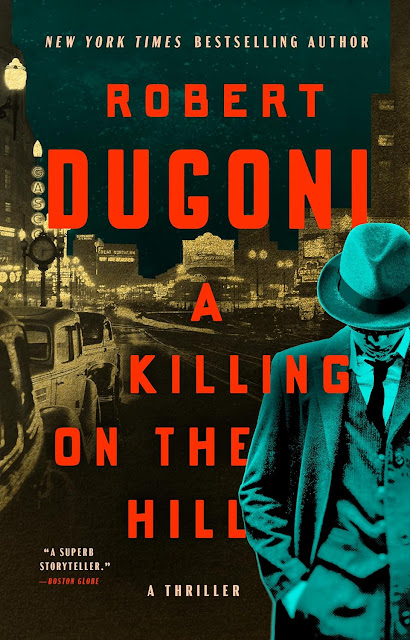
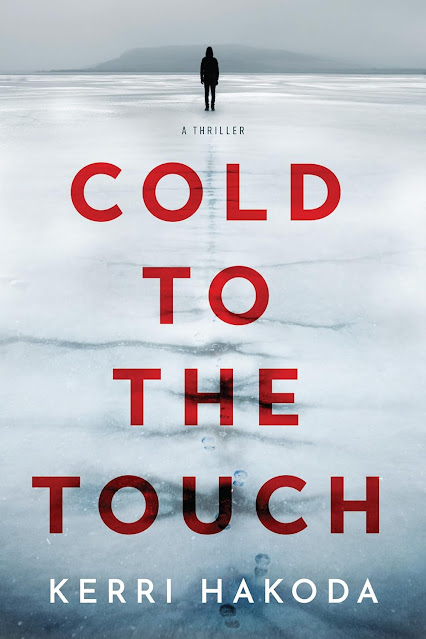
Critiquing some of the most interesting recent crime, mystery, and thriller releases. Click on the individual covers to read more.






Dean Tops EQMM Awards List
Ellery Queen Mystery Magazine has announced that New Jersey author and former police chief David Dean has picked up first-place honors in its 2023 Readers Award contest. He won for his story “Mrs. Hyde,” which appeared in the publication’s March/April 2023 issue.
“This is the third time David Dean has placed first in the Readers Award voting,” we’re told. “He’s been writing for EQMM for more than thirty years and his contributions to the magazine have been nominated for the Edgar, Shamus, Barry, and Derringer awards. The final of several collections of his stories from Genius Books, Shadow Lane and Other Tales of Dangerous Children, is now out, and we should not omit that he is also a novelist with several books in print.”
Richard Helms has won second-place Readers Award accolades for “Spear Carriers” (November/December 2023), while Paul Ryan O’Connor came in third with “Teddy's Favorite Thing” (September/October 2023). Seven additional contenders are listed here.
(Hat tip to The Gumshoe Site.)
“This is the third time David Dean has placed first in the Readers Award voting,” we’re told. “He’s been writing for EQMM for more than thirty years and his contributions to the magazine have been nominated for the Edgar, Shamus, Barry, and Derringer awards. The final of several collections of his stories from Genius Books, Shadow Lane and Other Tales of Dangerous Children, is now out, and we should not omit that he is also a novelist with several books in print.”
Richard Helms has won second-place Readers Award accolades for “Spear Carriers” (November/December 2023), while Paul Ryan O’Connor came in third with “Teddy's Favorite Thing” (September/October 2023). Seven additional contenders are listed here.
(Hat tip to The Gumshoe Site.)
Sunday, April 14, 2024
Standing Out from the Crowd
I wasn’t able to attend this year’s Left Coast Crime gathering, but Bay Area author and photographer Mark Coggins was in attendance. He sent back several of his favorite shots from the four-day event.
 (Above) Southern California writer Naomi Hirahara won the 2024 Bill Gottfried Memorial Lefty for Best Historical Mystery Novel for her most recent book, Evergreen.
 Friday evening saw Christa Faust interviewing Guest of Honor Megan Abbott (right) on stage. During their wide-ranging conversation, Abbott revealed that she is working on a TV series adaptation of Dashiell Hammett’s Red Harvest (1929) with the crew who gave us this year’s Monsieur Spade.
,%20Tim%20Maleeny,%20Mark%20Coggins,%20James%20D.F.%20Hannah,%20Pamela%20Beason%20-%20photo%20by%20Mark%20Coggins.jpg) A Friday morning panels highlight was “There’s No Gum on My Shoe: The Modern P.I.” Left to right: Moderator Lisa Bush’s not-so-confidential informants on the subject were Tim Maleeny, Mark Coggins, James D.F. Hannah, and Pamela Beason.
A Friday morning panels highlight was “There’s No Gum on My Shoe: The Modern P.I.” Left to right: Moderator Lisa Bush’s not-so-confidential informants on the subject were Tim Maleeny, Mark Coggins, James D.F. Hannah, and Pamela Beason.
 (Above) Southern California writer Naomi Hirahara won the 2024 Bill Gottfried Memorial Lefty for Best Historical Mystery Novel for her most recent book, Evergreen.
 Friday evening saw Christa Faust interviewing Guest of Honor Megan Abbott (right) on stage. During their wide-ranging conversation, Abbott revealed that she is working on a TV series adaptation of Dashiell Hammett’s Red Harvest (1929) with the crew who gave us this year’s Monsieur Spade.
,%20Tim%20Maleeny,%20Mark%20Coggins,%20James%20D.F.%20Hannah,%20Pamela%20Beason%20-%20photo%20by%20Mark%20Coggins.jpg) A Friday morning panels highlight was “There’s No Gum on My Shoe: The Modern P.I.” Left to right: Moderator Lisa Bush’s not-so-confidential informants on the subject were Tim Maleeny, Mark Coggins, James D.F. Hannah, and Pamela Beason.
A Friday morning panels highlight was “There’s No Gum on My Shoe: The Modern P.I.” Left to right: Moderator Lisa Bush’s not-so-confidential informants on the subject were Tim Maleeny, Mark Coggins, James D.F. Hannah, and Pamela Beason.
Let’s Hear It for the Leftys
During a banquet last evening at the Left Coast Crime convention, being held this weekend in Bellevue, Washington (just east of Seattle), organizers presented the winners of the 2024 Lefty Awards.
Lefty for Best Humorous Mystery Novel: Cheap Trills, by Wendall Thomas (Beyond the Page)
Also nominated: Hot Pot Murder, by Jennifer J. Chow (Berkley Prime Crime); The Great Gimmelmans, by Lee Matthew Goldberg (Level Best); A Sense for Murder, by Leslie Karst (Severn House); Hop Scot, by Catriona McPherson (Severn House); and Dying for a Decoration, by Cindy Sample (Cindy Sample)
Bill Gottfried Memorial Lefty for Best Historical Mystery Novel (books set before 1970): Evergreen, by Naomi Hirahara (Soho Crime)
Also nominated: Night Flight to Paris, by Cara Black (Soho Crime); The Bitter Past, by Bruce Borgos (Minotaur); Death Among the Ruins, by Susanna Calkins (Severn House); A Newlywed’s Guide to Fortune and Murder, by Dianne Freeman (Kensington); and Time’s Undoing, by Cheryl A. Head (Dutton)
Lefty for Best Debut Mystery Novel: Mother-Daughter Murder Night, by Nina Simon (Morrow)
Also nominated: Play the Fool, by Lina Chern (Bantam); Scorched Grace, by Margot Douaihy (Gillian Flynn); Dutch Threat, by Josh Pachter (Genius); and The House in the Pines, by Ana Reyes (Dutton)
Lefty for Best Mystery Novel (not in other categories): Hide, by Tracy Clark (Thomas & Mercer)
Also nominated: All the Sinners Bleed, by S.A. Cosby (Flatiron); Odyssey’s End, by Matt Coyle (Oceanview); Everybody Knows, by Jordan Harper (Mulholland); Face of Greed, by James L’Etoile (Oceanview); and The Raven Thief, by Gigi Pandian (Minotaur)
Congratulations to all of the contenders!
Lefty for Best Humorous Mystery Novel: Cheap Trills, by Wendall Thomas (Beyond the Page)
Also nominated: Hot Pot Murder, by Jennifer J. Chow (Berkley Prime Crime); The Great Gimmelmans, by Lee Matthew Goldberg (Level Best); A Sense for Murder, by Leslie Karst (Severn House);
 Hop Scot, by Catriona McPherson (Severn House); and Dying for a Decoration, by Cindy Sample (Cindy Sample)
Bill Gottfried Memorial Lefty for Best Historical Mystery Novel (books set before 1970): Evergreen, by Naomi Hirahara (Soho Crime)
Also nominated: Night Flight to Paris, by Cara Black (Soho Crime); The Bitter Past, by Bruce Borgos (Minotaur); Death Among the Ruins, by Susanna Calkins (Severn House); A Newlywed’s Guide to Fortune and Murder, by Dianne Freeman (Kensington); and Time’s Undoing, by Cheryl A. Head (Dutton)
Lefty for Best Debut Mystery Novel: Mother-Daughter Murder Night, by Nina Simon (Morrow)
Also nominated: Play the Fool, by Lina Chern (Bantam); Scorched Grace, by Margot Douaihy (Gillian Flynn); Dutch Threat, by Josh Pachter (Genius); and The House in the Pines, by Ana Reyes (Dutton)
Lefty for Best Mystery Novel (not in other categories): Hide, by Tracy Clark (Thomas & Mercer)
Also nominated: All the Sinners Bleed, by S.A. Cosby (Flatiron); Odyssey’s End, by Matt Coyle (Oceanview); Everybody Knows, by Jordan Harper (Mulholland); Face of Greed, by James L’Etoile (Oceanview); and The Raven Thief, by Gigi Pandian (Minotaur)
Congratulations to all of the contenders!
Out in Front of the Field
It’s only April, but already George Easter, the editor of Deadly Pleasures Mystery Magazine, is busy compiling an extensive list of 2024’s best crime, mystery, and thriller novels. Those picks are based on recommendations from Kirkus Reviews, Publishers’ Weekly, Booklist, Library Journal, and of course DP.
While Easter already proclaims Chris Whitaker’s All the Colors of the Dark—due out from Crown in late June—to be his “favorite novel of the year so far (having read 46 crime and thriller novels this year),” there are so many more new and forthcoming titles included in DP’s inventory. They range from Simon Mason’s Lost and Never Found (Riverrun UK), Mark Billingham’s The Wrong Hands (Atlantic Monthly Press), and Tana French’s The Hunter (Viking) to Thomas Mullen’s The Rumor Game (Minotaur), Michelle Prak’s The Rush, Tom Baragwanath’s Paper Cage (Knopf), Kim Hays’ A Fondness for Truth (Seventh Street), and Matthew Richardson’s The Scarlet Papers (Penguin).
Disappointingly, one of my own favorite reads this year, C.B. Bernard’s Ordinary Bear (Blackstone), isn’t featured. I can only hope that novel will gain a following and touch readers’ hearts as powerfully as it did mine in time to win mention on others’ best-of-the-year lists.
Go here to see Easter’s evolving roll of 2024’s top choices.
While Easter already proclaims Chris Whitaker’s All the Colors of the Dark—due out from Crown in late June—to be his “favorite novel of the year so far (having read 46 crime and thriller novels this year),” there are so many more new and forthcoming titles included in DP’s inventory. They range from Simon Mason’s Lost and Never Found (Riverrun UK), Mark Billingham’s The Wrong Hands (Atlantic Monthly Press), and Tana French’s The Hunter (Viking) to Thomas Mullen’s The Rumor Game (Minotaur), Michelle Prak’s The Rush, Tom Baragwanath’s Paper Cage (Knopf), Kim Hays’ A Fondness for Truth (Seventh Street), and Matthew Richardson’s The Scarlet Papers (Penguin).
Disappointingly, one of my own favorite reads this year, C.B. Bernard’s Ordinary Bear (Blackstone), isn’t featured. I can only hope that novel will gain a following and touch readers’ hearts as powerfully as it did mine in time to win mention on others’ best-of-the-year lists.
Go here to see Easter’s evolving roll of 2024’s top choices.
Many Happy Returns of the Day
Tax Day (April 15) is not ordinarily the cheeriest occasion for Americans. But it can be made considerably more rewarding with the injection into one’s Tax Day schedule of a crime novel having to do with finances, accounting, or April 15, in particular.
Blogger Janet Rudolph has updated her list of tax and accounting mysteries. There you’ll find everything from David Dodge's Death and Taxes and Rodney Sexton’s A Little Rebellion: April 15 Surprise to Kate Gallison's Unbalanced Accounts, Vincent Zandri’s The IRS Agent Came Calling for Blood, and Paul Anthony’s Old Accountants Never Die.
Blogger Janet Rudolph has updated her list of tax and accounting mysteries. There you’ll find everything from David Dodge's Death and Taxes and Rodney Sexton’s A Little Rebellion: April 15 Surprise to Kate Gallison's Unbalanced Accounts, Vincent Zandri’s The IRS Agent Came Calling for Blood, and Paul Anthony’s Old Accountants Never Die.
Saturday, April 13, 2024
Positive Impressions
We’re still more than a month out from the start of the 2024 Capital Crime festival in London, but organizers have already announced the shortlists for this year’s Fingerprint Awards, in seven divisions.
Overall Best Crime Book of the Year:
• The Murder Game, by Tom Hindle (Century)
• None of This Is True, by Lisa Jewell (Century)
• The Secret Hours, by Mick Herron (Baskerville)
• In the Blink of an Eye, by Jo Callaghan (Simon & Schuster UK)
• Strange Sally Diamond, by Liz Nugent (Sandycove)
Thriller Book of the Year:
• Fearless, by M.W. Craven (Constable)
• The Silent Man, by David Fennell (Zaffre)
• The Rule of Three, by Sam Ripley (Simon & Schuster UK)
• The Only Suspect, by Louise Candlish (Simon & Schuster UK)
• The House Hunt, by C.M. Ewan (Macmillan)
Historical Crime Book of the Year:
• Death of a Lesser God, by Vaseem Khan (Hodder & Stoughton)
• The Square of Sevens, by Laura Shepherd-Robinson (Mantle)
• The Murder Wheel, by Tom Mead (Head of Zeus/Aries)
• The Good Liars, by Anita Frank (HQ)
• The House of Whispers, by Anna Mazzola (Orion)
Genre-Busting Book of the Year:
• Ink Blood Sister Scribe, by Emma Törzs (Century)
• The Mysterious Case of the Alperton Angels, by Janice Hallett (Viper)
• Killing Jericho, by William Hussey (Zaffre)
• Murder in the Family, by Cara Hunter (HarperFiction)
• The Looking Glass Sound, by Catriona Ward (Viper)
Debut Crime Book of the Year:
• Death of a Bookseller, by Alice Slater (Hodder & Stoughton)
• The List, by Yomi Adegoke (Fourth Estate)
• Geneva, by Richard Armitage (Faber and Faber)
• The Bandit Queens, by Parini Shroff (Allen & Unwin)
• Thirty Days of Darkness, by Jenny Lund Madsen (Orenda)
True Crime Book of the Year:
• No Ordinary Day: Espionage, Betrayal, Terrorism and Corruption—the Truth Behind the Murder of WPC Yvonne Fletcher, by Matt
Johnson (Ad Lib)
• My Girl: The Babes in the Woods Murders. A Mother’s Fight for Justice, by Michelle Hadaway (Penguin)
• Vital Organs: A History of the World’s Most Famous Body Parts,
by Suzie Edge (Wildfire)
• Unlawful Killings: Life, Love and Murder: Trials at the Old Bailey,
by Her Honour Wendy Joseph QC (Doubleday)
• Order Out of Chaos: A Kidnap Negotiator’s Guide to Influence and Persuasion, by Scott Walker (Piatkus)
Audiobook of the Year:
• The Running Grave, by Robert Galbraith (narrated by Robert Glenister; Oakhill)
• The Blackbird, by Tim Weaver (narrated by Joe Coen, Brendan McDonald, Anjili Mohindra; Penguin Audio)
• The Bedroom Window, by K.L. Slater (narrated by Clare
Corbett; Audible)
• Conviction, by Jack Jordan (narrated by Sophie Roberts; Audible)
• Over My Dead Body, by Maz Evans (narrated by Maz Evans; Headline)
Click here to vote for your favorite nominees in each of these categories. The winners are set to be declared on opening day of this year’s convention, Thursday, May 30.
Overall Best Crime Book of the Year:
• The Murder Game, by Tom Hindle (Century)
• None of This Is True, by Lisa Jewell (Century)
• The Secret Hours, by Mick Herron (Baskerville)
• In the Blink of an Eye, by Jo Callaghan (Simon & Schuster UK)
• Strange Sally Diamond, by Liz Nugent (Sandycove)
Thriller Book of the Year:
• Fearless, by M.W. Craven (Constable)
• The Silent Man, by David Fennell (Zaffre)
• The Rule of Three, by Sam Ripley (Simon & Schuster UK)
• The Only Suspect, by Louise Candlish (Simon & Schuster UK)
• The House Hunt, by C.M. Ewan (Macmillan)
Historical Crime Book of the Year:
• Death of a Lesser God, by Vaseem Khan (Hodder & Stoughton)
• The Square of Sevens, by Laura Shepherd-Robinson (Mantle)
• The Murder Wheel, by Tom Mead (Head of Zeus/Aries)
• The Good Liars, by Anita Frank (HQ)
• The House of Whispers, by Anna Mazzola (Orion)
Genre-Busting Book of the Year:
• Ink Blood Sister Scribe, by Emma Törzs (Century)
• The Mysterious Case of the Alperton Angels, by Janice Hallett (Viper)
• Killing Jericho, by William Hussey (Zaffre)
• Murder in the Family, by Cara Hunter (HarperFiction)
• The Looking Glass Sound, by Catriona Ward (Viper)
Debut Crime Book of the Year:
• Death of a Bookseller, by Alice Slater (Hodder & Stoughton)
• The List, by Yomi Adegoke (Fourth Estate)
• Geneva, by Richard Armitage (Faber and Faber)
• The Bandit Queens, by Parini Shroff (Allen & Unwin)
• Thirty Days of Darkness, by Jenny Lund Madsen (Orenda)
True Crime Book of the Year:
• No Ordinary Day: Espionage, Betrayal, Terrorism and Corruption—the Truth Behind the Murder of WPC Yvonne Fletcher, by Matt
Johnson (Ad Lib)
• My Girl: The Babes in the Woods Murders. A Mother’s Fight for Justice, by Michelle Hadaway (Penguin)
• Vital Organs: A History of the World’s Most Famous Body Parts,
by Suzie Edge (Wildfire)
• Unlawful Killings: Life, Love and Murder: Trials at the Old Bailey,
by Her Honour Wendy Joseph QC (Doubleday)
• Order Out of Chaos: A Kidnap Negotiator’s Guide to Influence and Persuasion, by Scott Walker (Piatkus)
Audiobook of the Year:
• The Running Grave, by Robert Galbraith (narrated by Robert Glenister; Oakhill)
• The Blackbird, by Tim Weaver (narrated by Joe Coen, Brendan McDonald, Anjili Mohindra; Penguin Audio)
• The Bedroom Window, by K.L. Slater (narrated by Clare
Corbett; Audible)
• Conviction, by Jack Jordan (narrated by Sophie Roberts; Audible)
• Over My Dead Body, by Maz Evans (narrated by Maz Evans; Headline)
Click here to vote for your favorite nominees in each of these categories. The winners are set to be declared on opening day of this year’s convention, Thursday, May 30.
Thursday, April 11, 2024
More Reasons to Flip on the TV
All hail The Killing Times, the British blog that today brings us three terrific batches of news about near-future TV productions.
It was more than a year ago now that we brought you word of streaming service Disney+ greenlighting a series based on C.J. Sansom’s popular novels starring Matthew Shardlake, a barrister who solves crimes and seeks to avoid political intrigues in 16th-century Britain. Today we learned that the four-part drama Shardlake, based on Sansom’s first novel, Dissolution (2003), will debut on May 1.
The program casts Arthur Hughes (from The Innocents and Then Barbara Met Alan) as Shardlake, a hunchback lawyer protagonist “with an acute sense of justice and one of the few honest men in a world beset with scheming and plots.” Sean Bean (World on Fire, Snowpiercer) will play Thomas Cromwell, chief minister to King Henry VIII and Shardlake’s employer, while Anthony Boyle (The Plot Against America, Masters of the Air) appears as Jack Barak, who assists Shardlake ... but may also be spying on him for Cromwell.
Here’s The Killing Times’ synopsis of the show’s plot:
The Killing Times also reports that two more series of The Night Manager, which premiered in 2016 and was adapted from John le Carré’s 1993 novel of the same title, have been commissioned by BBC One. Tom Hiddleston will return to his role as Jonathan Pine, a former British soldier turned hotel night manager who, in the original tale, became involved with illegal arm sales. Adds Deadline: “The Night Manager Season 2 will begin filming later this year and will pick up with Hiddleston’s Jonathan Pine eight years after the explosive finale of Season 1, going beyond the original book ... Additional plot details are being kept under wraps and there is not yet confirmation as to whether [executive producer Hugh] Laurie’s Richard Roper, who was last seen in the back of a paddy wagon driven by arms buyers who were not best pleased with him, will return to star.”
Finally, we have further details about a second Death in Paradise spin-off, Return to Paradise. This show will be set in Sydney, Australia, and feature Anna Samson (Jack Irish, Home and Away) as tenacious Detective Inspector Mackenzie Clarke, “an Australian ex-pat who’s made a name for herself in London’s Metropolitan Police for cracking uncrackable murder cases. When she is accused of tampering with evidence, Clarke returns to Australia, back to the last place she ever wanted to be—her hometown of Dolphin Cove. Having fled the town six years ago, infamously leaving her ex-fiancé Glenn [Tai Hara, also from Home and Away] at the altar, Clarke is not welcome there. But with no other job options, and a unique talent for solving a mystery, no matter how challenging, a reluctant ‘Mack’ joins the team at Dolphin Cove Police Station.” We’ll see whether she settles into her new situation as comfortably as DI Humphrey Goodman (Kris Marshall) did in the previous Death in Paradise offshoot, Beyond Paradise, fresh episodes of which are currently rolling out in the States on BritBox.
Frustratingly, launch dates for Return to Paradise and the sophomore season of The Night Manager have not yet been announced.
It was more than a year ago now that we brought you word of streaming service Disney+ greenlighting a series based on C.J. Sansom’s popular novels starring Matthew Shardlake, a barrister who solves crimes and seeks to avoid political intrigues in 16th-century Britain. Today we learned that the four-part drama Shardlake, based on Sansom’s first novel, Dissolution (2003), will debut on May 1.
The program casts Arthur Hughes (from The Innocents and Then Barbara Met Alan) as Shardlake, a hunchback lawyer protagonist “with an acute sense of justice and one of the few honest men in a world beset with scheming and plots.” Sean Bean (World on Fire, Snowpiercer) will play Thomas Cromwell, chief minister to King Henry VIII and Shardlake’s employer, while Anthony Boyle (The Plot Against America, Masters of the Air) appears as Jack Barak, who assists Shardlake ... but may also be spying on him for Cromwell.
Here’s The Killing Times’ synopsis of the show’s plot:
Shardlake’s sheltered life as a lawyer is turned upside down when Cromwell instructs him to investigate the murder of one of his commissioners at a monastery in the remote [and fictitious] town of Scarnsea. The commissioner was gathering evidence to close the monastery and it is now imperative for Cromwell’s own political survival that Shardlake both solves the murder and closes the monastery. He leaves Shardlake in no doubt that failure is not an option.Here’s a 90-second trailer for Shardlake:
Cromwell insists that he is accompanied by Jack Barak to Scarnsea, where the duo are met with hostility, suspicion and paranoia by the monks who fear for their future and will seemingly stop at nothing to preserve their order.
The Killing Times also reports that two more series of The Night Manager, which premiered in 2016 and was adapted from John le Carré’s 1993 novel of the same title, have been commissioned by BBC One. Tom Hiddleston will return to his role as Jonathan Pine, a former British soldier turned hotel night manager who, in the original tale, became involved with illegal arm sales. Adds Deadline: “The Night Manager Season 2 will begin filming later this year and will pick up with Hiddleston’s Jonathan Pine eight years after the explosive finale of Season 1, going beyond the original book ... Additional plot details are being kept under wraps and there is not yet confirmation as to whether [executive producer Hugh] Laurie’s Richard Roper, who was last seen in the back of a paddy wagon driven by arms buyers who were not best pleased with him, will return to star.”
Finally, we have further details about a second Death in Paradise spin-off, Return to Paradise. This show will be set in Sydney, Australia, and feature Anna Samson (Jack Irish, Home and Away) as tenacious Detective Inspector Mackenzie Clarke, “an Australian ex-pat who’s made a name for herself in London’s Metropolitan Police for cracking uncrackable murder cases. When she is accused of tampering with evidence, Clarke returns to Australia, back to the last place she ever wanted to be—her hometown of Dolphin Cove. Having fled the town six years ago, infamously leaving her ex-fiancé Glenn [Tai Hara, also from Home and Away] at the altar, Clarke is not welcome there. But with no other job options, and a unique talent for solving a mystery, no matter how challenging, a reluctant ‘Mack’ joins the team at Dolphin Cove Police Station.” We’ll see whether she settles into her new situation as comfortably as DI Humphrey Goodman (Kris Marshall) did in the previous Death in Paradise offshoot, Beyond Paradise, fresh episodes of which are currently rolling out in the States on BritBox.
Frustratingly, launch dates for Return to Paradise and the sophomore season of The Night Manager have not yet been announced.
Wednesday, April 10, 2024
Who’s Talking Now?
Is it simply my imagination, or has there been an extraordinary plenitude lately of interesting interviews with authors of crime and mystery noves? Endeavoring to collect them all would be a fool’s errand, but here are a few that caught my eye.
• Don Winslow talked with both National Public Radio’s Scott Simon (my favorite morning host, by the way) and CrimeReads’ Nick Kolakowski about City in Ruins, the final book in his trilogy starring “Danny Ryan, who's been a Rhode Island mobster, dockworker and fugitive from the law, is now a pillar of the community in Las Vegas.”
• In The Girl with All the Crime Books, journalist Louise Fairbairn questions Edinburgh author Philip Miller about The Hollow Tree, his second novel to feature investigative reporter Shona Sandison (following 2022’s The Goldenacre). Meanwhile, Miller tells Crimespree Magazine about “Five Things that Inspired The Hollow Tree.”
• With her 22nd V.I. Warshawski novel, Pay Dirt, due out from William Morrow next week, author Sara Paretsky responds to queries from Robin Agnew of Mystery Scene about that Kansas-set tale.
• For her popular Murder By the Book podcast, Sara DiVello says she “is so excited” to chat with Robert Dugoni about A Killing on the Hill, his Seattle-based historical thriller that recalls “the shooting of a lightweight boxer at the Pom Pom nightclub by a gangster” on Profanity Hill. “The trial that ensued became the trial of the century.”
• Crimespree’s Elise Cooper speaks with Mary Kubica about She’s Not Sorry, a work of suspense that focuses on an intensive care nurse who’s trying to figure out whether attempted suicide or attempted murder was behind a patient’s traumatic brain injury.
• And for The Strand, Andrew McAleer resurrects a conversation he had with Edgar-winning novelist Robert B. Parker back in 2006.
• Don Winslow talked with both National Public Radio’s Scott Simon (my favorite morning host, by the way) and CrimeReads’ Nick Kolakowski about City in Ruins, the final book in his trilogy starring “Danny Ryan, who's been a Rhode Island mobster, dockworker and fugitive from the law, is now a pillar of the community in Las Vegas.”
• In The Girl with All the Crime Books, journalist Louise Fairbairn questions Edinburgh author Philip Miller about The Hollow Tree, his second novel to feature investigative reporter Shona Sandison (following 2022’s The Goldenacre). Meanwhile, Miller tells Crimespree Magazine about “Five Things that Inspired The Hollow Tree.”
• With her 22nd V.I. Warshawski novel, Pay Dirt, due out from William Morrow next week, author Sara Paretsky responds to queries from Robin Agnew of Mystery Scene about that Kansas-set tale.
• For her popular Murder By the Book podcast, Sara DiVello says she “is so excited” to chat with Robert Dugoni about A Killing on the Hill, his Seattle-based historical thriller that recalls “the shooting of a lightweight boxer at the Pom Pom nightclub by a gangster” on Profanity Hill. “The trial that ensued became the trial of the century.”
• Crimespree’s Elise Cooper speaks with Mary Kubica about She’s Not Sorry, a work of suspense that focuses on an intensive care nurse who’s trying to figure out whether attempted suicide or attempted murder was behind a patient’s traumatic brain injury.
• And for The Strand, Andrew McAleer resurrects a conversation he had with Edgar-winning novelist Robert B. Parker back in 2006.
Monday, April 08, 2024
Bullet Points: Eclipse Day Edition
• The Columbophile Blog reports that David Koenig, author of the 2021 book Shooting Columbo, will be back in print next month with Unshot Columbo: Cracking the Cases That Never Got Filmed (Bonaventure Press), which “focuses on 19 murder mysteries that never made it to our screens—and outline why we never got to see them. ... [T]he many Columbo stories crafted but never filmed include 1970s tales by ‘murder consultant’ Larry Cohen  and a young Brian De Palma, an aborted pilot for Mrs. Columbo that was reimagined for the good Lieutenant, and the legendary last case that Peter Falk desperately hoped would drop the curtain on Columbo’s televisual career.” Yeah, you should know by now that this is on my “preorder” list.
• North Carolina resident Ashley-Ruth M. Bernier, whose short stories have appeared in various magazines, and Audrea Sallis, a South Dakota technical writer hoping to expand her fiction portfolio, have been named as the 2024 Barbara Neely Grant recipients. This scholarship program, named for the late Barbara Neely (creator of the Blanche White mystery series), is designed to promote Black crime-fiction writers. A pair of winners is selected each year—one an already published author, the other a writer just getting started in publishing. More information about Bernier and Sallis can be found here.
• Mike Ripley expands his oft-amusing “Ripster Revivals” series for Shots with this piece looking back fondly at the oeuvre of Walter Satterthwait (1946-2020). Ripley calls him “an American with a passport, who knew how to use it. Not only did his nomadic existence find him living in numerous locations in the U.S., particularly New York, Santa Fe, California and Florida, but in Greece, Kenya and the Caribbean, with frequent visits to Germany, France, Holland and England. Along the way he wrote numerous short stories, a series of classic private eye investigations, a historical series set in the Europe of the 1920s featuring cameos from Arthur Conan Doyle, Harry Houdini, Ernest Hemingway and Adolf Hitler (!), plus stand-alone thrillers and novels featuring Lizzie Borden and Oscar Wilde.”
• The annual CrimeFest convention, held in Bristol, England, has revealed its program lineup for this coming May. In attendance should be crime-fiction stars running from Laura Lippman and Ajay Chowdhury to Denise Mina and Abir Mukherjee. More details are here.
• Perhaps in anticipation of what would have been actor Rock Hudson’s 100th birthday coming up next year (he succumbed to AIDS-related illness in 1985), the celebrity magazine Closer recently profiled Susan Saint James, now 77, who starred with Hudson in the 1971-1977 NBC Mystery Movie series McMillan & Wife. The article begins with Saint James’ statement that “kissing Rock Hudson on the set … never felt like a hardship. ‘We were kissing all the time, and it was fun,” she tells Closer exclusively, calling her late costar “engaging, wonderful, friendly and sexy.’” It goes on to mention Hudson’s “gregarious, upbeat personality” and how he personally welcomed famous guest stars to the McMillan & Wife set. “‘He would send flowers to their trailer, and he’d go over first thing in the morning to say hello,’ recalls Susan, who notes that stars of hit TV series are rarely so gracious. ‘He had this kind of Old Hollywood courtesy and kindness.’”
• Speaking of Susan Saint James, I was contacted not long ago by northern Virginia resident Frank Gregorsky, a non-fiction editor specializing in economics and political history who, in his spare time, pens a free, PDF-formatted Web quarterly called Detective Drama Gems. He’s apparently been doing that—ever so quietly, and with no professional background in his subject matter—since 2020, long enough to have analyzed “roughly four dozen episodes” of vintage American crime and detective TV shows. “I look for plausibility of events; spectacular character clarity; and the power and precision of dialogue,” Gregorsky tells me. The reason he reached out to me was that he’d come across my 2011 Rap Sheet tribute to McMillan & Wife, and had referred to it while producing this enjoyable Gems recollection of “Point of Law,” a 1976 episode of the series—and the last to feature Saint James in the role of Sally McMillan (left), spouse to Hudson’s San Francisco police commissioner, Stewart “Mac” McMillan.
• By the way, I’d love to direct you to previous issues of Detective Drama Gems, but Gregorsky has (sadly) provided no easy way to access them. The first issue, focusing on episodes of Barrie Craig, Confidential Investigator, Hawaii Five-O, and The Streets of San Francisco, can be enjoyed here. But after that, the Web addresses begin with http://www.exactingeditor.com/Detective-Gems-1.pdf, and you must change the number in that address each time to find the next one. There are 13 issues thus far, looking back at installments of everything from The Mod Squad and 77 Sunset Strip to The Name of the Game and M Squad.
• Here’s an episode that seems to have passed from my recollection: “In the final season of Perry Mason (1957-66), the intrepid attorney went behind the Iron Curtain for an adventure.”
• This is good news, indeed. New episodes of Beyond Paradise, the Death in Paradise spin-off series starring Kris Marshall, have just begun to drop on the streaming service BritBox. A Christmas special was shown in December, but only last week did a second ep suddenly appear. Here’s a synopsis: “As a steam train races through the Devonshire countryside, [Detective Inspector] Humphrey [Goodman, played by Marshall] and [Deteetive Sergeant] Esther [Williams, played by Zahra Ahmadi] join the Shipton Abbott Players for a murder mystery rehearsal. Though Humphrey is only playing a detective, things turn from amateur to professional when the actor playing the victim is found dead with a real knife in his back.” Wikipedia says six Season 2 episodes are in the hopper (and began showing in the UK in March). Marshall was my favorite among the fish-out-of-water British detective stars of Death in Paradise, and it’s nice to see him return in this rather different series, which will apparently find Goodman and his fiancée, Sally Bretton (Martha Lloyd) becoming foster parents.
• Meanwhile, American streamer Hulu has decided to end the cruise of Death and Other Details after 10 installments. “Now we’ll never know which poor soul these severed limbs belonged to,” observes Deadline. “Hulu has opted not to renew murder mystery series Death and Other Details for a second season. The news is not really surprising; the visually stylish series starring Mandy Patinkin and Violett Beane had a pretty quiet run, not able to break into Nielsen’s weekly Top 10 streaming ratings.”
• And if you missed seeing today’s total solar eclipse, visible in North America, here’s NASA’s broadcast of that “celestial spectacle.”
and a young Brian De Palma, an aborted pilot for Mrs. Columbo that was reimagined for the good Lieutenant, and the legendary last case that Peter Falk desperately hoped would drop the curtain on Columbo’s televisual career.” Yeah, you should know by now that this is on my “preorder” list.• North Carolina resident Ashley-Ruth M. Bernier, whose short stories have appeared in various magazines, and Audrea Sallis, a South Dakota technical writer hoping to expand her fiction portfolio, have been named as the 2024 Barbara Neely Grant recipients. This scholarship program, named for the late Barbara Neely (creator of the Blanche White mystery series), is designed to promote Black crime-fiction writers. A pair of winners is selected each year—one an already published author, the other a writer just getting started in publishing. More information about Bernier and Sallis can be found here.
• Mike Ripley expands his oft-amusing “Ripster Revivals” series for Shots with this piece looking back fondly at the oeuvre of Walter Satterthwait (1946-2020). Ripley calls him “an American with a passport, who knew how to use it. Not only did his nomadic existence find him living in numerous locations in the U.S., particularly New York, Santa Fe, California and Florida, but in Greece, Kenya and the Caribbean, with frequent visits to Germany, France, Holland and England. Along the way he wrote numerous short stories, a series of classic private eye investigations, a historical series set in the Europe of the 1920s featuring cameos from Arthur Conan Doyle, Harry Houdini, Ernest Hemingway and Adolf Hitler (!), plus stand-alone thrillers and novels featuring Lizzie Borden and Oscar Wilde.”
• The annual CrimeFest convention, held in Bristol, England, has revealed its program lineup for this coming May. In attendance should be crime-fiction stars running from Laura Lippman and Ajay Chowdhury to Denise Mina and Abir Mukherjee. More details are here.
• Perhaps in anticipation of what would have been actor Rock Hudson’s 100th birthday coming up next year (he succumbed to AIDS-related illness in 1985), the celebrity magazine Closer recently profiled Susan Saint James, now 77, who starred with Hudson in the 1971-1977 NBC Mystery Movie series McMillan & Wife. The article begins with Saint James’ statement that “kissing Rock Hudson on the set … never felt like a hardship. ‘We were kissing all the time, and it was fun,” she tells Closer exclusively, calling her late costar “engaging, wonderful, friendly and sexy.’” It goes on to mention Hudson’s “gregarious, upbeat personality” and how he personally welcomed famous guest stars to the McMillan & Wife set. “‘He would send flowers to their trailer, and he’d go over first thing in the morning to say hello,’ recalls Susan, who notes that stars of hit TV series are rarely so gracious. ‘He had this kind of Old Hollywood courtesy and kindness.’”
• Speaking of Susan Saint James, I was contacted not long ago by northern Virginia resident Frank Gregorsky, a non-fiction editor specializing in economics and political history who, in his spare time, pens a free, PDF-formatted Web quarterly called Detective Drama Gems. He’s apparently been doing that—ever so quietly, and with no professional background in his subject matter—since 2020, long enough to have analyzed “roughly four dozen episodes” of vintage American crime and detective TV shows. “I look for plausibility of events; spectacular character clarity; and the power and precision of dialogue,” Gregorsky tells me. The reason he reached out to me was that he’d come across my 2011 Rap Sheet tribute to McMillan & Wife, and had referred to it while producing this enjoyable Gems recollection
 of “Point of Law,” a 1976 episode of the series—and the last to feature Saint James in the role of Sally McMillan (left), spouse to Hudson’s San Francisco police commissioner, Stewart “Mac” McMillan.
• By the way, I’d love to direct you to previous issues of Detective Drama Gems, but Gregorsky has (sadly) provided no easy way to access them. The first issue, focusing on episodes of Barrie Craig, Confidential Investigator, Hawaii Five-O, and The Streets of San Francisco, can be enjoyed here. But after that, the Web addresses begin with http://www.exactingeditor.com/Detective-Gems-1.pdf, and you must change the number in that address each time to find the next one. There are 13 issues thus far, looking back at installments of everything from The Mod Squad and 77 Sunset Strip to The Name of the Game and M Squad.
• Here’s an episode that seems to have passed from my recollection: “In the final season of Perry Mason (1957-66), the intrepid attorney went behind the Iron Curtain for an adventure.”
• This is good news, indeed. New episodes of Beyond Paradise, the Death in Paradise spin-off series starring Kris Marshall, have just begun to drop on the streaming service BritBox. A Christmas special was shown in December, but only last week did a second ep suddenly appear. Here’s a synopsis: “As a steam train races through the Devonshire countryside, [Detective Inspector] Humphrey [Goodman, played by Marshall] and [Deteetive Sergeant] Esther [Williams, played by Zahra Ahmadi] join the Shipton Abbott Players for a murder mystery rehearsal. Though Humphrey is only playing a detective, things turn from amateur to professional when the actor playing the victim is found dead with a real knife in his back.” Wikipedia says six Season 2 episodes are in the hopper (and began showing in the UK in March). Marshall was my favorite among the fish-out-of-water British detective stars of Death in Paradise, and it’s nice to see him return in this rather different series, which will apparently find Goodman and his fiancée, Sally Bretton (Martha Lloyd) becoming foster parents.
• Meanwhile, American streamer Hulu has decided to end the cruise of Death and Other Details after 10 installments. “Now we’ll never know which poor soul these severed limbs belonged to,” observes Deadline. “Hulu has opted not to renew murder mystery series Death and Other Details for a second season. The news is not really surprising; the visually stylish series starring Mandy Patinkin and Violett Beane had a pretty quiet run, not able to break into Nielsen’s weekly Top 10 streaming ratings.”
• And if you missed seeing today’s total solar eclipse, visible in North America, here’s NASA’s broadcast of that “celestial spectacle.”
Friday, April 05, 2024
Revue of Reviewers: 4-5-24
Critiquing some of the most interesting recent crime, mystery, and thriller releases. Click on the individual covers to read more.




Subscribe to:
Posts (Atom)